Don’t be an Energy Vampire!
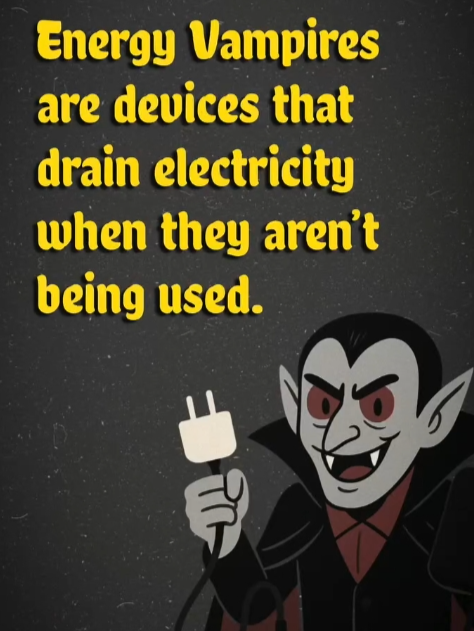
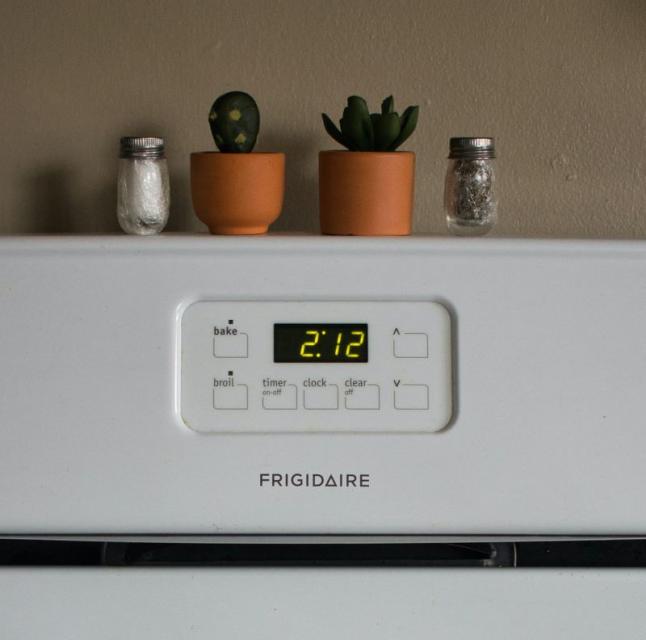
You may be living with an Energy Vampire and not even know it. Energy Vampires are devices that quietly drain electricity even when turned off and idle. This power consumption comes from the small trickle of electricity that keeps indicator lights glowing, digital clocks running, devices in standby mode, batteries charging past 100%, or circuits running simply because they are plugged in.
While each device alone may not consume much, the combined effect of everything plugged in around your home can be significant. In fact, this unseen energy drain can account for 10–20% of your home’s total energy usage. This means more electricity wasted, higher bills, and unnecessary strain on the planet’s resources.
A few simple strategies can make a big difference in energy usage, especially when you’re leaving home for extended periods. These habits not only help you save energy and money but also support fire safety by reducing the risk of electrical hazards.
1) Use Power Strips
With a single flip, you can cut power to multiple devices at once without unplugging anything. This tip is especially useful for entertainment consoles. Before heading out of town, simply switch the strip off and eliminate energy waste while you’re gone.
2) Schedule Indoor and Outdoor Devices Using Timers
Manual light timers offer another effortless option. They’re especially handy during seasons filled with electrical decorations because they can automatically turn your string lights on and off at scheduled times. Timers aren’t just for décor; they can control devices that you only need during certain hours, such as space heaters or window AC units that run only at night.
3) Keep Devices on Low Power Mode
For electronics with screens or digital displays, low power settings are your friend. Computers, TVs, and similar devices can often be set to enter sleep mode quickly, turn off their displays instead of running screensavers, or switch to standard display modes that consume less energy. Many devices even come with built-in eco or energy-saving modes.
4) Simply Unplug
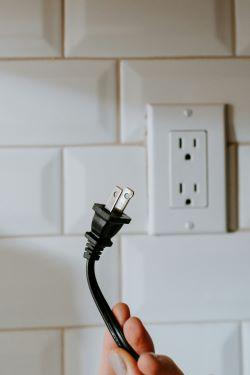
Unplug your devices when you’re not using them! Chargers, in particular, are known for continuing to draw power even when the device they belong to is fully charged. Smart plugs can help with this, too. These Wi-Fi–connected plugs allow you to cut power from anywhere using an app on your phone. They’re especially reassuring if you ever leave home wondering whether you remembered to turn off a curling iron, space heater, or other device with a heating element.
5) Choose Efficiency
Some appliances—like refrigerators, air conditioners, or water heaters—can’t simply be turned off. In those cases, choosing energy-efficient models makes a big difference over time. Appliances with the ENERGY STAR certification use less electricity than non-certified alternatives and can save you money for years to come.
With a few thoughtful adjustments, you can reclaim your home from Energy Vampires, lower your energy bills, protect the environment, and boost household safety.

Share this page


