Our Climate
Redlands is no stranger to heat! Let’s not let it get any hotter.
Redlands neighbors the Mojave Desert, San Bernardino Mountains and is within the valleys of the Inland Empire. All of these factors equate to a warm and dry climate with mild winters.
2024 was the hottest year on record. On September 6, 2024, Redlands saw temperatures as high as 114.1°F. High heat brings increased instances of organ failure, respiratory disease, and death. High heat is also correlated with decreased test scores and academic performance.
Impacts of high heat and the changing climate doesn’t stop there. Drought, biodiversity loss, and severe and unpredictable weather is brought on by climate change, and impacts local utilities, infrastructure and wildlife. Click here to read more about the relationship between high heat, air pollution, and climate change.
San Bernardino County, including the City of Redlands, also holds the American Lung Association’s (ALA) unfortunate title of Most Polluted Place to Live. In the annual State of the Air Report, the ALA states that San Bernardino County has the highest reported levels of ozone and pollution. The publication notes, ”Years of scientific research have clearly established that particle pollution and ozone are a threat to human health at every stage of life….” It’s critical that we do everything we can to keep our air clean.
It’s not all bad! Redlands is conveniently positioned between multiple National Parks, National Forests, beaches, mountains, deserts, and wildlife preserves. Redlands is located in USDA Hardiness Zone 10a, which allows for long planting seasons and optimal growing conditions for a wide variety of plants. Our location provides ample opportunities to experience all nature has to offer.
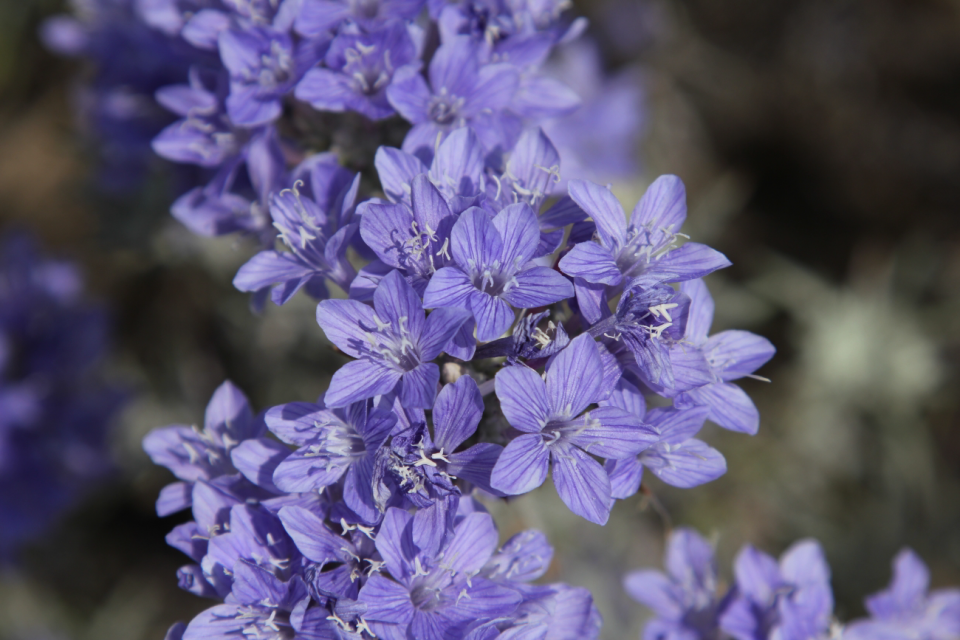
Redlands is also home to various special-status species such as the San Bernardino Kangaroo Rat, Burrowing Owl, California Legless Lizard, and Santa Ana River Wolly-Star. The surrounding mountains, deserts, and valleys are beaming with plant and animal life. All the more reason to protect our unique environment.
Share this page


